The Northern Rivers region of New South Wales is a landscape of extraordinary natural wealth. From the rolling hinterland to coastal rainforests, from winding creeks to remnant Big Scrub vegetation, this area represents one of Australia’s most biodiverse regions. Yet it’s also a landscape under pressure, where decades of land clearing, agricultural intensification, and urban expansion have left their mark on the environment we all depend on.
The question isn’t whether we should act to restore and protect these ecosystems. It’s how we do it effectively, sustainably, and in partnership with the land itself.
Ecological restoration isn’t simply about planting trees or removing weeds. It’s about understanding how natural systems function and working with those systems to rebuild resilience, biodiversity, and ecological health. In the Northern Rivers, this work takes on particular urgency as we face increasing climate variability, habitat fragmentation, and the loss of species that once thrived here.
Subtropic Environmental approaches restoration through two complementary pathways that reflect both the science of ecology and the practical realities of land management.
Assisted Natural Regeneration (ANR) recognises that nature, given the right conditions, is remarkably capable of healing itself. By reducing threats like grazing pressure, controlling invasive species, and protecting existing native vegetation, ANR allows natural processes to do much of the heavy lifting. This approach is often the most cost-effective pathway to restoration, particularly in areas where soil seed banks remain viable and remnant vegetation can act as a source of regeneration.
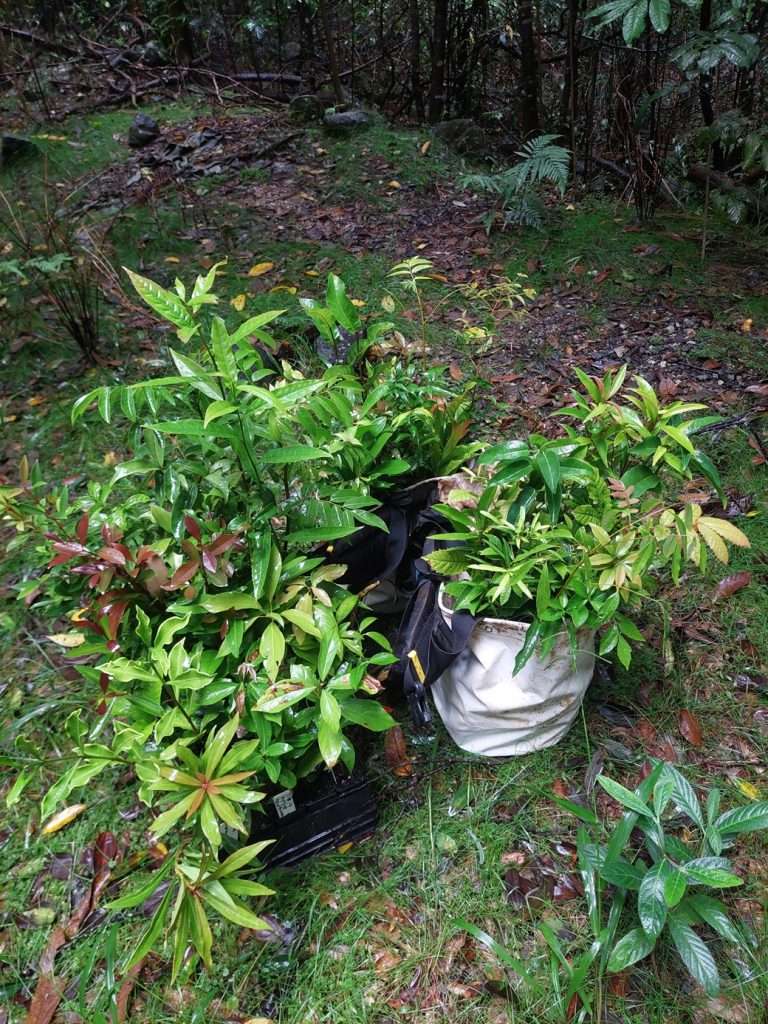
Native Planting becomes essential where natural regeneration alone won’t suffice. In heavily degraded sites, or where specific biodiversity outcomes are needed, carefully planned revegetation with locally appropriate native species can kickstart ecological recovery. The art lies in choosing the right species, planting at the right density, and creating the structural complexity that diverse wildlife communities need.
Together, these approaches allow restoration projects to be tailored to each site’s unique conditions, ecological history, and management goals. The result is restoration that works with natural processes rather than against them, creating landscapes that are both ecologically functional and economically sustainable for landholders.
Effective environmental management begins with understanding. What species are present? Which ecological communities are you working with? What threats need to be managed? What opportunities exist for enhancement?
Specialist consulting services bridge the gap between ecological knowledge and practical decision-making. For landholders considering vegetation management, councils planning for conservation zones, or organisations developing environmental policies, access to expert ecological advice transforms good intentions into effective action.
In the Northern Rivers, where environmental regulations intersect with complex ecological realities, this guidance is invaluable. Understanding your obligations under biodiversity legislation, identifying high-value habitat, planning for bushfire management while protecting ecological values—these challenges require both technical expertise and local knowledge.
Consulting support helps ensure that management decisions are informed by the best available science, aligned with regulatory requirements, and realistic about what can be achieved with available resources. It turns broad environmental goals into specific, achievable management plans.
Vision and planning only create value when they translate into action on the ground. This is where professional project management becomes crucial.
Environmental projects involve coordinating multiple elements: contractors, volunteers, materials, permits, landholder agreements, funding timelines, and OH&S requirements. Without strong coordination, even well-designed projects can falter in delivery.
End-to-end project management ensures that restoration and management works move from planning to completion efficiently and safely. It means contractors arrive when they’re supposed to, plants go in at the right time of year, follow-up maintenance happens on schedule, and everyone involved understands their role in the project’s success.
For organisations managing multiple sites or complex programs, this coordination becomes even more critical. Professional project management creates accountability, maintains momentum, and ensures that the investment made in environmental work delivers the outcomes intended.
The Northern Rivers faces environmental challenges that are both urgent and long-term. Climate change is already altering rainfall patterns and increasing the intensity of extreme weather events. Native species face ongoing pressure from habitat loss and fragmentation. Water quality in our rivers and coastal areas reflects the cumulative impact of catchment-wide land use.
Yet this region also has tremendous capacity for ecological recovery. Rainfall is generally reliable. Remnant vegetation persists across the landscape, providing seed sources and habitat refuges. Community awareness and support for environmental conservation continues to grow.
What’s needed is the practical expertise to turn concern into effective action—the ecological knowledge to restore systems properly, the planning insight to prioritise efforts wisely, and the project management capability to deliver results reliably.
This is the role that services like those provided by Subtropic Environmental play in our region’s environmental future. By combining ecological restoration, specialist consulting, and professional project management, they help translate environmental goals into tangible outcomes on the ground.
The health of the Northern Rivers landscape isn’t separate from our own wellbeing. It’s the foundation of the region’s character, economy, and resilience. Investing in its restoration and care isn’t just environmentally responsible—it’s an investment in the future we want to inhabit.